Examining Connections Between Payment Choices and Loyalty Benefits in Regulated Swedish Betting Applications
Amir Hayes · Aug 26, 2026
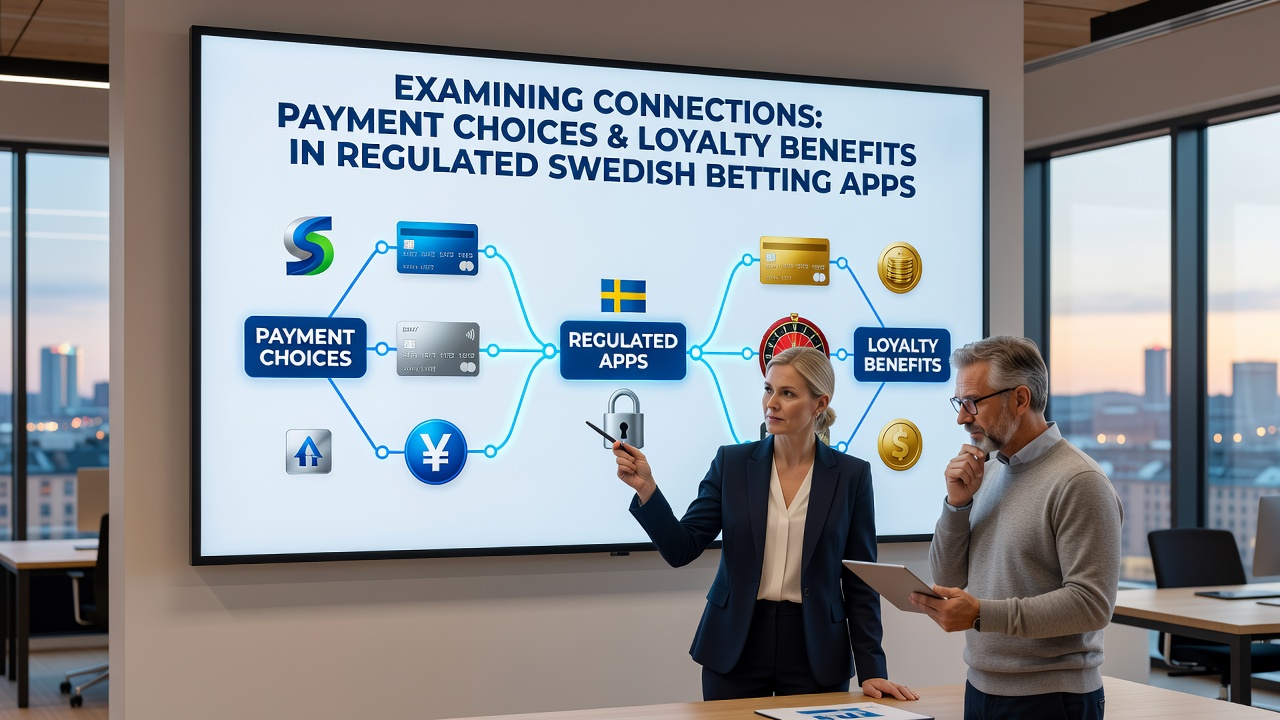
Examining Connections Between Payment Choices and Loyalty Benefits in Regulated Swedish Betting Applications
Regulated Swedish betting applications integrate payment choices directly with loyalty structures through systems that track transaction volumes, frequencies, and methods to determine reward tiers, and data from Spelinspektionen indicates these connections shape how users accumulate points and access benefits across mobile platforms.
Payment Methods in Licensed Swedish Betting Environments
Swedish operators licensed under national regulations support a range of payment options including bank transfers, credit cards, e-wallets, and instant bank payments, while each method carries specific processing times and verification requirements that influence how quickly loyalty points register in user accounts. Researchers at European institutions have documented that bank-linked instant payments often trigger faster point accrual compared to card transactions because they reduce intermediary steps and allow real-time balance updates within the application's reward database.
Transaction limits also vary by method, and figures from industry reports reveal that higher daily caps on certain e-wallet services enable users to meet tier thresholds more rapidly than methods with lower limits, creating measurable differences in how quickly participants advance through loyalty levels during active periods.
Loyalty Program Structures and Reward Mechanisms
Loyalty programs in these applications typically operate on point-based systems where deposits and bets convert into rewards such as bonus credits, cashback percentages, or exclusive event access, and studies from Nordic research centers show that payment method selection affects both the rate of point earning and the eligibility for certain redemption categories. Observers note that programs often assign multipliers to specific payment types, for instance granting additional points for recurring use of verified bank accounts, which encourages consistent behavior tracked through automated system logs.
Seasonal adjustments to these multipliers occur periodically, and data collected through 2025 demonstrates patterns where loyalty benefits tied to particular payments expand during high-volume months without altering core regulatory compliance requirements.
Links Between Payment Selection and Tier Progression
Analyses of user data from regulated platforms indicate that payment choices correlate with tier progression rates because systems log each transaction's origin and apply corresponding reward coefficients automatically, and one study from a Canadian academic group found similar patterns in comparable markets where instant payment methods accelerated advancement by an average of 15 to 20 percent over slower alternatives. Those who've examined Swedish app interfaces report that loyalty dashboards display payment-specific bonuses clearly, allowing users to adjust selections mid-session to optimize point collection toward the next tier.
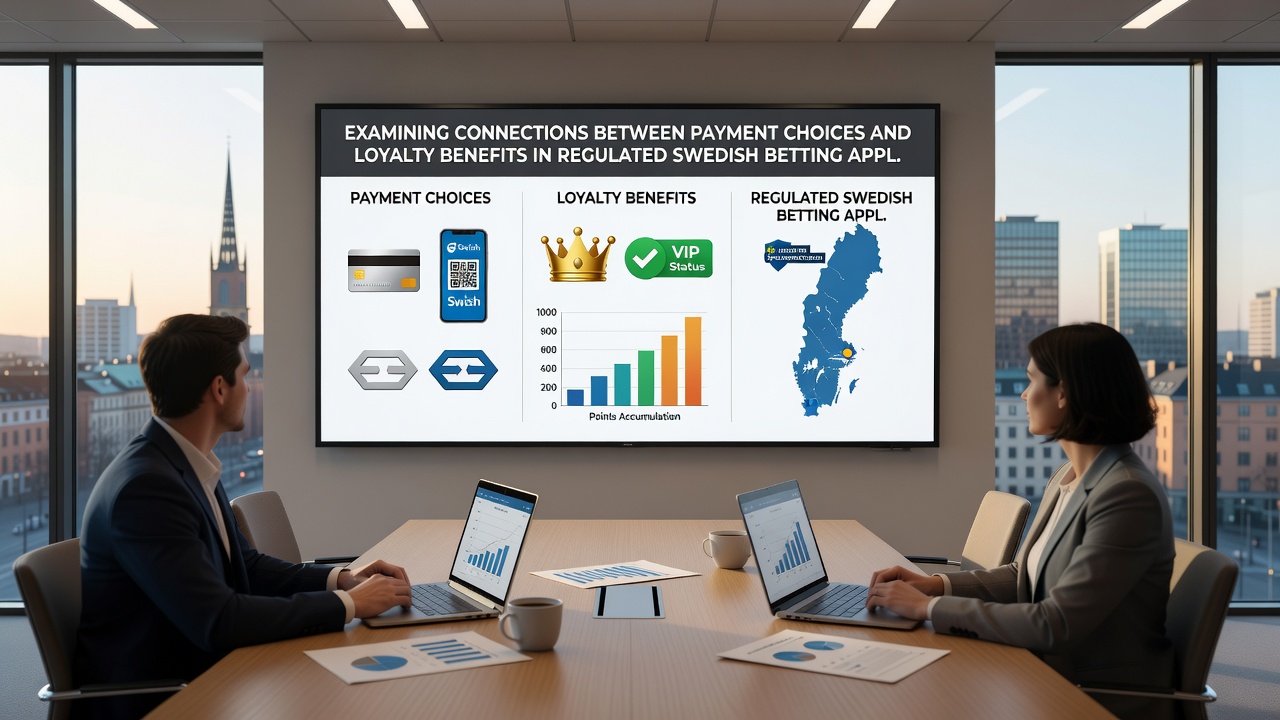
Verification requirements further tighten these connections, since payments that complete identity checks in fewer steps feed directly into loyalty calculations without delays, whereas multi-step methods may defer point awards until full confirmation arrives. Projections for August 2026 suggest continued refinement of these automated linkages as operators update their compliance software to handle emerging payment technologies while maintaining Spelinspektionen oversight standards.
Regulatory Framework and Data Tracking Requirements
Swedish regulations mandate transparent tracking of all financial interactions within licensed applications, which extends to loyalty calculations and ensures that payment-linked rewards comply with responsible gambling guidelines enforced by the authority. Reports compiled by EU-level gaming associations highlight how these mandates create standardized data fields that operators must maintain, enabling consistent analysis of how payment patterns influence reward distributions across the market.
External audits periodically review these systems, and evidence from academic examinations confirms that payment method diversity supports broader user participation in loyalty programs because varied options accommodate different banking preferences without excluding segments from reward eligibility. What's significant is that the regulatory emphasis on audit trails strengthens the documented connections between specific payments and resulting benefits, providing verifiable records for both operators and oversight bodies.
Conclusion
Payment choices in regulated Swedish betting applications connect to loyalty benefits through structured tracking mechanisms, point multipliers, and regulatory data requirements that together determine how users progress and redeem rewards. Available information from licensing authorities and research sources shows these linkages operate consistently across platforms, with variations arising from transaction speed, limits, and verification processes rather than discretionary program designs. As systems evolve toward August 2026, the core relationships between payments and rewards remain anchored in compliance frameworks that prioritize accurate recording and equitable access.