Navigating Seasonal Campaign Shifts in Sweden's Licensed Mobile Betting Ecosystems
Klara Günther · Aug 23, 2026
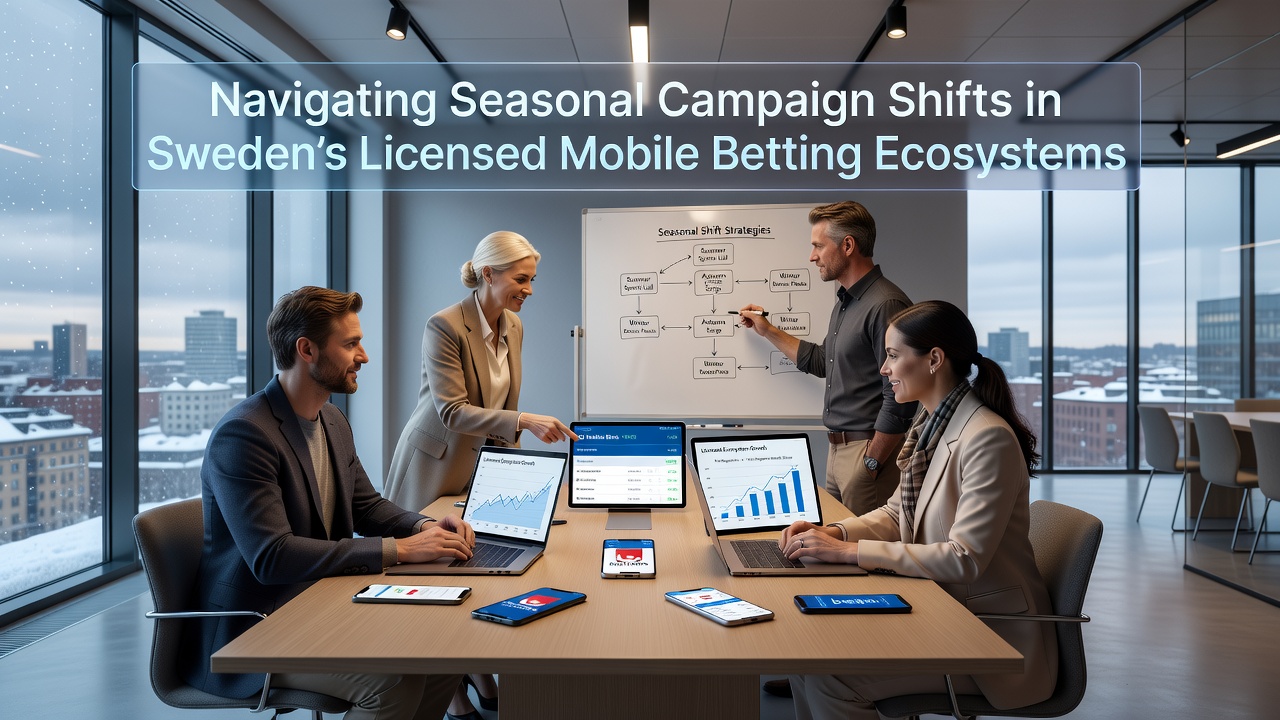
Navigating Seasonal Campaign Shifts in Sweden's Licensed Mobile Betting Ecosystems
Sweden's licensed mobile betting market operates under strict oversight from Spelinspektionen, which enforces rules on marketing timing, content, and player protection during peak activity periods, and operators adjust their campaigns to align with sports calendars that shift dramatically between winter football leagues and summer events like tennis majors plus golf tournaments. Data from industry reports shows mobile platforms handle the majority of betting volume, with seasonal spikes occurring around major fixtures that require pre-planned content changes to stay compliant while reaching users through apps and responsive sites.
Regulatory Requirements Driving Campaign Adjustments
Swedish law mandates that all promotional activities remain proportionate and non-intrusive, which means operators review and revise messaging at regular intervals to match upcoming seasons, while Spelinspektionen monitors compliance through ongoing audits that focus on responsible gambling elements embedded in every campaign. Researchers at Nordic institutions have documented how these rules create structured timelines for campaign rollouts, particularly when transitioning from high-volume winter sports to lower-intensity summer offerings that still demand clear age verification and deposit limit reminders.
Campaign teams track fixture lists released by leagues and governing bodies months in advance, allowing them to map out content calendars that incorporate mandatory cooling-off periods and limit-setting prompts, and this preparation becomes especially relevant ahead of August 2026 when multiple overlapping events may coincide with updated licensing reporting deadlines. Observers note that licensed operators maintain dedicated compliance officers who sign off on every seasonal shift, ensuring no single message violates frequency caps set by the authority.
Mobile Platform Adaptations Across Key Seasons
Winter months feature intensive football and ice hockey promotions delivered through push notifications and in-app banners that highlight live betting options, yet these must include prominent links to self-exclusion tools, while summer campaigns pivot toward individual sports with different risk profiles and user engagement patterns. Studies from European research bodies indicate mobile users respond differently to time-limited offers depending on the season, prompting operators to test message length and placement on smaller screens to maintain readability without overwhelming the interface.
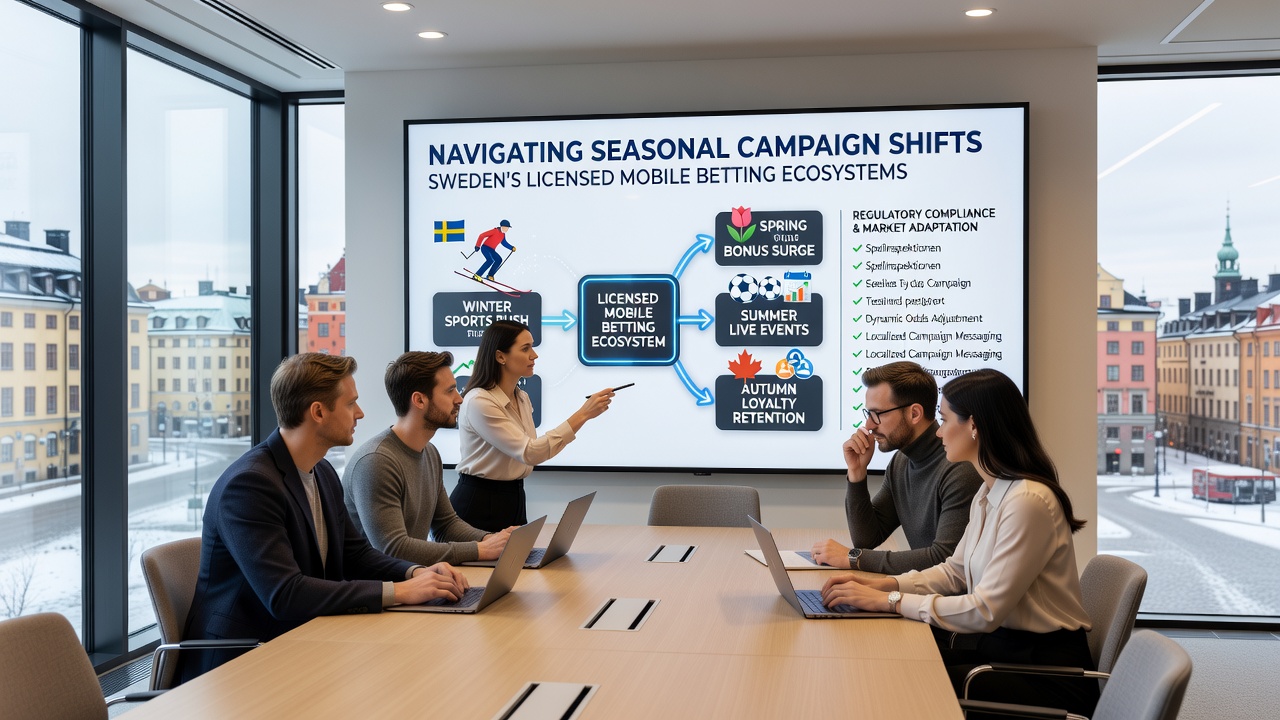
Operators often integrate dynamic odds displays that update automatically as seasons progress, and they pair these with educational pop-ups about variance in outcomes during less predictable summer tournaments. Those who have analyzed transaction data across multiple years report that deposit patterns remain steadier when campaigns emphasize responsible play messages at the start of each new season rather than during peak events alone.
Technology and Data Supporting Seasonal Transitions
Licensed platforms rely on real-time analytics to detect when user behavior changes with seasonal events, enabling quick but regulated adjustments to campaign creative without breaching marketing codes. Industry associations across the Nordic region have compiled guidelines that recommend staggered rollouts, starting with email briefings followed by in-app updates, so players receive consistent information across channels while operators stay within annual marketing budgets tied to licensing conditions.
August 2026 stands out on many planning documents because it bridges the end of one football season and the beginning of another alongside international tournaments, requiring coordinated messaging that avoids over-promotion during transitional weeks. Technical teams implement A/B testing frameworks approved by compliance departments to measure how different seasonal creatives perform on various mobile operating systems used by Swedish players.
Conclusion
Sweden's licensed mobile betting operators navigate seasonal campaign shifts by aligning content with regulatory timelines, sports calendars, and mobile user habits, all while maintaining transparent communication about limits and support resources. Evidence from regulatory reports and academic reviews confirms that structured preparation, combined with ongoing monitoring, allows these ecosystems to adapt effectively without compromising player protection standards set by Spelinspektionen. Future cycles, including those around August 2026, will continue to test these processes as events evolve and technology refines targeting capabilities within legal boundaries.